
Exploring Innovations in LED Lighting
- Jarvis
- Dec 13, 2025
- 4 min read
The world of LED lighting is evolving at a breakneck pace. Every year, new technologies emerge, reshaping how we illuminate our homes, workplaces, and public spaces. As we dive into the latest LED lighting technology trends, we uncover innovations that not only enhance efficiency but also redefine aesthetics and functionality. This exploration is essential for contractors, electricians, businesses, and individuals who want to stay ahead in their lighting projects. Let us journey through the cutting-edge developments that are lighting the way forward.
Understanding LED Lighting Technology Trends
LED lighting technology trends are more than just incremental improvements. They represent a paradigm shift in how we think about light sources. From energy efficiency to smart integration, these trends are transforming the lighting landscape.
One of the most significant trends is the rise of smart LED lighting systems. These systems allow users to control lighting remotely via smartphones or voice commands. They offer customizable color temperatures and brightness levels, adapting to different moods and activities. For example, a business can adjust lighting to enhance productivity during the day and create a relaxing ambiance in the evening.
Another key trend is the development of tunable white LEDs. These LEDs can shift their color temperature from warm to cool white, mimicking natural daylight cycles. This innovation supports human circadian rhythms, improving well-being and comfort in indoor environments.
Energy efficiency remains a cornerstone of LED innovation. Newer LEDs consume even less power while delivering higher brightness. This progress reduces operational costs and environmental impact, making LED lighting a sustainable choice for large-scale projects.

Smart LED bulbs offer customizable lighting options for various settings.
Practical Applications of LED Lighting Technology Trends
The practical applications of these trends are vast and varied. For contractors and electricians, understanding these innovations means delivering superior solutions that meet client demands for efficiency, aesthetics, and control.
In commercial spaces, dynamic lighting systems are gaining traction. These systems adjust lighting based on occupancy, daylight availability, and time of day. For instance, office buildings can reduce energy consumption by dimming lights in unoccupied areas or increasing brightness when natural light fades.
Retail environments benefit from color-tunable LEDs that highlight products with precision. By adjusting the light spectrum, retailers can enhance the appearance of merchandise, influencing customer behavior and boosting sales.
Outdoor lighting is also evolving. Smart streetlights equipped with sensors and connectivity improve public safety while conserving energy. These lights can dim during low traffic periods and brighten when pedestrians or vehicles approach.
For residential projects, integrated LED fixtures with sleek designs and smart controls offer homeowners convenience and style. These fixtures often include features like motion sensors, timers, and compatibility with home automation systems.

Dynamic LED lighting adapts to occupancy and daylight for energy savings.
The Role of Advanced Materials and Manufacturing
Advancements in materials science and manufacturing processes are pivotal in pushing LED technology forward. The use of high-quality phosphors enhances color rendering and longevity. These materials ensure that LED lights produce vibrant, natural colors without fading over time.
Thermal management is another critical area. LEDs generate heat that can degrade performance if not properly dissipated. Innovations in heat sink design and materials allow LEDs to operate at optimal temperatures, extending their lifespan and maintaining brightness.
Manufacturing techniques such as chip-on-board (COB) technology enable higher LED density on a single substrate. This results in more compact, powerful light sources suitable for applications requiring intense illumination in small spaces.
The integration of micro-LEDs is an exciting frontier. These tiny LEDs offer superior brightness and energy efficiency, with potential uses in displays, automotive lighting, and specialized industrial applications.

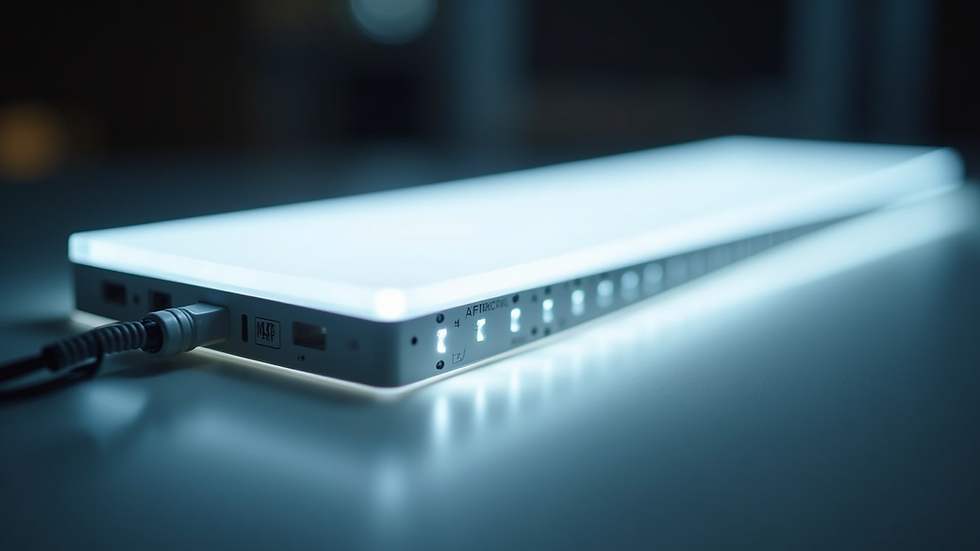
Advanced manufacturing techniques improve LED performance and durability.
How to Choose the Right LED Lighting Solutions
Selecting the right LED lighting solution requires a clear understanding of project goals and environmental factors. Here are some actionable recommendations to guide your decision-making:
Assess the lighting needs - Determine the purpose of the lighting, whether it is for task, ambient, or accent lighting. This will influence the type of LED and fixture design.
Consider energy efficiency - Look for LEDs with high lumens per watt (lm/W) ratings to maximize brightness while minimizing power consumption.
Evaluate color quality - Choose LEDs with a high Color Rendering Index (CRI) to ensure colors appear natural and vibrant.
Check compatibility with controls - If smart lighting is desired, verify that the LEDs and fixtures support dimming, color tuning, and integration with control systems.
Prioritize durability and certification - Opt for products that meet industry standards and certifications to guarantee safety and longevity.
By following these guidelines, contractors and electricians can deliver lighting solutions that satisfy both functional and aesthetic requirements. Businesses and individuals will benefit from reduced energy costs and enhanced environments.
Lighting the Future with Trusted Partners
As we embrace these innovations, partnering with reliable suppliers is crucial. Companies like ms factory group kathmandu are leading the charge in providing advanced LED lighting solutions across Nepal. Their commitment to quality, certification, and dealer network expansion ensures that projects receive the best products and support.
The future of LED lighting is bright, filled with opportunities to create smarter, more sustainable, and visually stunning spaces. By staying informed about technology trends and applying practical knowledge, we can illuminate the world more efficiently and beautifully than ever before.
Embracing the Next Generation of LED Lighting
The journey of LED lighting innovation is ongoing. Emerging technologies such as Li-Fi (Light Fidelity), which uses LED light for high-speed data transmission, promise to revolutionize connectivity alongside illumination. Additionally, organic LEDs (OLEDs) offer flexible, ultra-thin lighting panels that open new design possibilities.
We must remain vigilant and adaptable, continuously integrating these advancements into our projects. The blend of technology, design, and sustainability will define the next era of lighting solutions.
By harnessing the power of innovation, we not only improve how spaces are lit but also contribute to a greener, smarter future. Let us lead the way in adopting these trends, ensuring every project shines with excellence and efficiency.


Comments