
Exploring New LED Lighting Technology: Transforming Illumination for Modern Needs
In the rapidly evolving world of lighting, new LED lighting technology is reshaping how we illuminate our spaces. From energy efficiency to smart integration, LED advancements are not just incremental improvements; they represent a fundamental shift in lighting design and application. As we delve into these innovations, we uncover practical insights and actionable strategies that contractors, electricians, and businesses can leverage to deliver superior lighting solutions.
The Rise of New LED Lighting Technology: A Game Changer
LED lighting has long been celebrated for its energy efficiency and longevity. However, the latest breakthroughs push these benefits even further. Today’s LED systems offer enhanced brightness, improved color rendering, and smarter controls that adapt to user needs and environmental conditions.
One of the most compelling aspects of this new technology is its ability to reduce operational costs while increasing lighting quality. For example, advanced LED chips now provide higher lumens per watt, meaning more light output for less energy consumed. This efficiency is crucial for large-scale projects where energy savings translate directly into significant cost reductions.
Moreover, the integration of IoT (Internet of Things) capabilities allows LED fixtures to communicate with building management systems. This connectivity enables real-time monitoring, predictive maintenance, and dynamic lighting adjustments based on occupancy or daylight availability. Such features not only enhance user comfort but also extend the lifespan of lighting installations.

Advanced LED chip technology enabling higher efficiency and brightness
How New LED Lighting Technology Enhances Project Outcomes
Implementing new LED lighting technology can dramatically improve project outcomes across various sectors. For contractors and electricians, understanding these innovations is essential to meet client expectations and regulatory standards.
Firstly, the improved color rendering index (CRI) of modern LEDs ensures that colors appear more natural and vibrant. This is particularly important in retail and hospitality environments where visual appeal directly impacts customer experience. LEDs with CRI values above 90 are now widely available, offering near-perfect color accuracy.
Secondly, the development of tunable white LEDs allows for adjustable color temperatures. This flexibility means lighting can be customized to suit different times of day or specific tasks, enhancing productivity and well-being. For instance, cooler light tones can stimulate alertness during work hours, while warmer tones create a relaxing atmosphere in the evening.
Thirdly, the durability of new LED fixtures has improved significantly. Many are now designed to withstand harsh environmental conditions, making them ideal for outdoor and industrial applications. Features such as waterproofing, dust resistance, and impact protection ensure reliable performance and reduce maintenance needs.
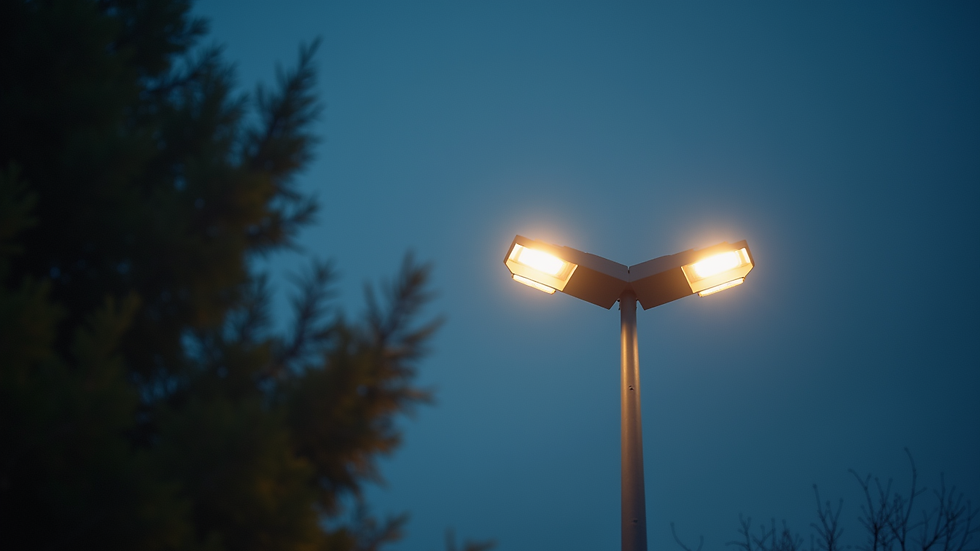
Durable outdoor LED street lighting designed for harsh environments
What are the latest innovations in lighting technology?
The landscape of lighting technology is rich with exciting developments. Among the most notable are:
Micro-LEDs: These tiny LEDs offer exceptional brightness and energy efficiency. Their small size allows for ultra-thin displays and innovative lighting designs that were previously impossible.
Organic LEDs (OLEDs): OLED panels provide uniform, diffuse light with excellent color quality. Their flexibility and thinness open new possibilities for architectural and decorative lighting.
Smart Lighting Systems: Integration with AI and machine learning enables lighting to adapt intelligently to user behavior and environmental changes. This results in optimized energy use and enhanced user comfort.
Human-Centric Lighting (HCL): This approach focuses on aligning lighting with human circadian rhythms. By adjusting intensity and color temperature throughout the day, HCL supports health and productivity.
Wireless Power Transfer: Emerging technologies allow LEDs to be powered without direct wiring, simplifying installation and enabling new design freedoms.
These innovations are not just theoretical; they are being implemented in real-world projects, demonstrating tangible benefits in energy savings, user satisfaction, and operational efficiency.
Practical Recommendations for Leveraging New LED Lighting Technology
To maximize the advantages of new LED lighting technology, consider the following actionable steps:
Conduct a thorough lighting audit: Assess existing lighting systems to identify inefficiencies and opportunities for upgrade.
Specify high-CRI and tunable white LEDs: Prioritize fixtures that offer superior color rendering and adjustable color temperatures to meet diverse needs.
Incorporate smart controls: Use sensors, timers, and networked controls to automate lighting and reduce energy waste.
Choose durable fixtures for challenging environments: Select products with appropriate IP ratings and robust construction for outdoor or industrial use.
Plan for scalability and integration: Design lighting systems that can easily integrate with building management and future technologies.
By following these guidelines, professionals can deliver lighting solutions that are not only cutting-edge but also practical and cost-effective.
Lighting the Future: Embracing Innovation with Confidence
As we navigate the evolving landscape of LED lighting, embracing the latest advancements is essential. The latest led lighting innovations offer unprecedented opportunities to enhance energy efficiency, improve lighting quality, and create smarter, more responsive environments.
By staying informed and proactive, we can ensure that our lighting projects not only meet today’s demands but also anticipate tomorrow’s challenges. The future of illumination is bright, and with new LED lighting technology, we hold the power to light up homes, businesses, and public spaces across Nepal with confidence and excellence.


Comments